In order for Germany to
continue its emergence from the Roman Empire, it needed someone the people
could follow or look up to. Martin Luther was this man by standing up against
the Roman Church and inspiring many others to do the same with their beliefs.
Luther religiously attacked the Church and more specifically the Pope, with his
95 Theses which explained all that was wrong such as the Church manipulating
its powers over its people.
 Martin Luther is believed to have nailed his 95 Theses to the doors of the Church of Wittenburg. Speaking out about the Church was gutsy, but to physically show it and make it public for all to read and question their own thoughts was even braver. Could something revolutionary bloom from this perhaps? This alone would not be enough to make Luther succeed though.
It was taking too much time to hand write papers and give them out, so Martin Luther chose a different option which would help him tremendously. The use of the printing press (illustrated below) was what quickly made a person's opinion into a voice of the German lands. News of what Luther had discovered about invented sacraments not in the Bible and his views toward the use of unnecessary clergymen and superfluous spending spread across Europe.
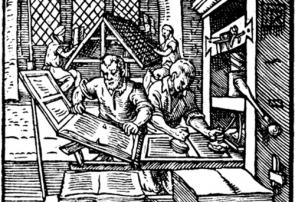 |
| Inking, pressing, and arranging plates were separate jobs to make publication even faster. |
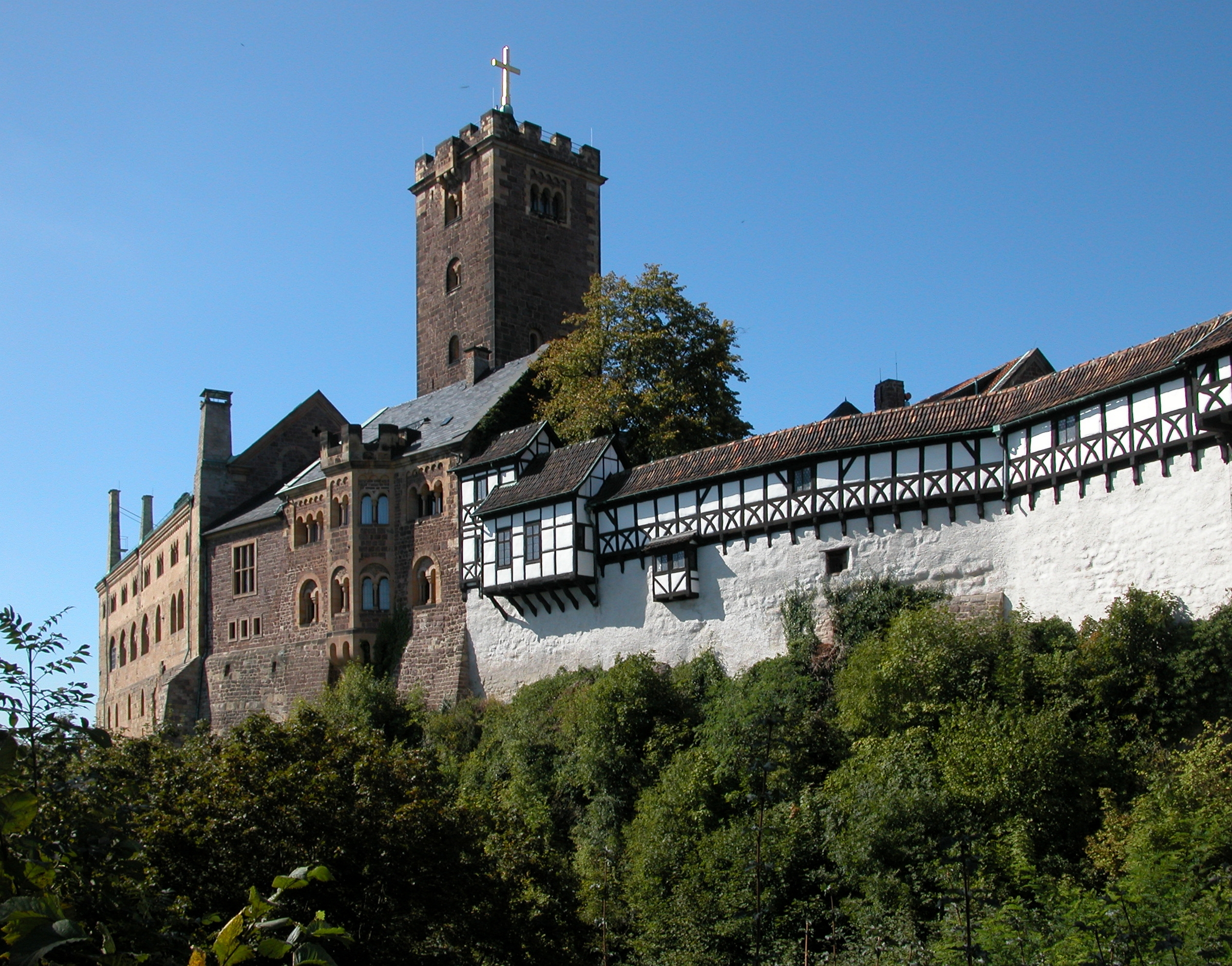 |
| Luther was held in Wartburg Castle where he translated the Bible to German. |
However, Luther was not in charge of or aware of this war that was going on. As he was being transported back home, he was secretly captured with help from his newly made friend and hidden in a castle for safety. While being trapped in the castle, Luther still continued his revolutionary efforts as he would go on to translate the Bible into German. This would effectively allow the German people to read and see for themselves that they could connect with God, instead of being told by the members of the Church what to do.
Once freed, Luther was shocked to hear of the bloodshed lost. He would devote himself to speaking out, preaching not to use violence, and teaching his principles in hope to fix this.
word count: 517

No comments:
Post a Comment